Archives
Primary Source Guide for Slavery Research at Western College and Miami University
This archival guide describes collections of primary sources located at Miami University's Walter Havighurst Special Collections and University Archives with material relevant to the study of slavery at Miami University and Western College for Women. These selected collections are not exhaustive but offer starting points for geneological and scholarly research.
Miami University's complete archives can be searched through ArchivesSpace. The Walter Havighurst Special Collections and University Archives is open to the public and are located at King Library on Miami University's Oxford campus.
Western College
-
Western College Principals and Presidents; Helen Peabody, 1855-1888. Core Collection. This collection documents Helen Peabody’s leadership as president of Western Female Seminary (later Western College) from 1855 to 1888, including correspondence, administrative reports, personal writings, family papers, photographs, and memorial materials. It highlights her educational philosophy, institutional development, relationships, and legacy within women’s education and the history of Western College in the Ohio region.
- Western College Collection; Correspondence; Board of Trustees; 1853-1974. Core Collection. This collection (1853–1974) documents governance of the Western Female Seminary and Western College for Women. Materials include correspondence, minutes, legal records, by-laws, financial reports, and institutional agreements, reflecting administrative decisions, educational development, and organizational changes from founding through 20th-century operations and consolidation. The collection may support research into universities’ historical ties to slavery through financial, administrative, and donor records.
- Comptroller (Financial Records). This collection documents the financial administration, property management, and fundraising history of Western College for Women and its predecessor, Western Female Seminary, in Oxford, Ohio. Materials include annual reports, treasurers’ reports, ledgers, receipts, canceled checks, class expense books, endowment records, spanning the 1850s through the late 20th century. Also included are deeds, mortgages, leases, insurance documents, scholarship and tuition records, and correspondence relating to institutional finances, land acquisitions, and development plans. Together, these records trace the evolution of the college’s fiscal operations, student class accounts, endowment growth, and campus expansion over more than a century.
- Peabody Family History, Correspondence, Photographs. This collection documents the Peabody family’s relationship with Western College through correspondence, photographs, memoirs, financial records, and institutional papers. With a special focus on Helen Peabody and her niece, Susan Wade Peabody, a member of the Board of Trustees, the materials trace family history, trustee activity, philanthropy, and alumnae engagement from the 19th through the mid-20th century.
Miami University
-
Miami University Board of Trustees Collection. Core Collection. This collection documents the governance and administrative history of Miami University since 1809. It includes meeting minutes, faculty and committee reports, resolutions, ordinances, and miscellaneous supporting documents that reflect institutional decision-making on academic programs, finances, legislation, campus development, and university operations. The collection may support research into Miami’s’ historical ties to slavery through financial, administrative, and donor records.
- Robert Hamilton Bishop Papers, 1777 - 1841. Core Collection. This collection documents the life and career of Miami University’s first president, focused primarily on the period between 1824–1841. The collection includes diaries, household account books, correspondence, sermons, and administrative records that provide evidence of Bishop’s views on slavery, participation in antebellum religious debates, and the operation of domestic labor within his household. Financial records and memoranda reveal the management of labor and daily life, while writings and correspondence situate Bishop within broader moral, educational, and Presbyterian discussions about university education in the 19th century. [3 Boxes]
- Bishop Family, 1762 - 1990. The Bishop Family Papers consist of correspondence, books, manuscripts, and family records documenting Robert Hamilton Bishop and his descendants. The collection includes volumes from Bishop’s personal library on theology, philosophy, science, and classical studies, as well as notebooks and educational materials. Extensive family correspondence details religious life, education, and domestic experiences in the nineteenth century. Additional materials include diaries, journals, scrapbooks, genealogical records, and clippings that trace multiple generations of the Bishop family. [8 Boxes, partially cataloged]
- Presidents' Junkin, MacMaster, Anderson, Stoddard, Hall, and Stanton Collection, 1841-1871. Core Collection. This collection documents the administrations of several Miami University presidents, including George Junkin, Erasmus Darwin MacMaster, William C. Anderson, Orange Nash Stoddard, John W. Hall, and Robert L. Stanton, from the 1840s through the early 1870s. It includes addresses, reports, correspondence, and publications that reveal institutional governance alongside deep engagement with the era’s sectional tensions. Materials highlight debates over slavery, including Junkin’s pro-slavery writings and contemporary critiques, as well as Civil War-era conflicts over loyalty, discipline, and campus politics during Hall’s presidency. [1 Box]
- Erodelphian Society, 1823 - 1913. Core Collection. This collection documents student literary life at Miami University from 1823 to 1913. Materials include addresses, minutes, constitutions, financial records, membership lists, and debate records. Together, they illustrate the Society’s intellectual activities, governance, and role in fostering rhetoric, debate, especially related to 19th century topics.
- John W. Browne Collection. This collection documents Reverend John W. Browne’s 1810–1812 fundraising mission for Miami University, highlighting efforts to secure financial contributions and library donations. Browne, an English-born minister and Cincinnati newspaper editor, collected funds across the eastern United States to establish the University. Correspondence, subscription lists, and reports reveal donor networks, fundraising challenges, and institutional strategies. Additional materials include estate records, personal papers, and documents related to the university’s early development. [2 Boxes]
- Manuscript Diaries Collection. This collection comprises Civil War-era and 19th-century diaries and letters documenting military service, student life, and domestic experiences. Prominent are accounts from Ohio soldiers, including David Spence, Edward Morrow, Nelson Wiley Evans, and Thomas B. Marshall, detailing enlistment, campaigns across the South, battles, and camp life. Complementing these are student diaries from Miami University and reflections on education and student life. Some materials may reference contemporary debates on slavery and its political and social impact or African Americans. [2 Boxes]
Financial Records
Finance and Business (also Affairs). This collection contains significant 19th-century materials documenting the early financial and administrative operations of Miami University. Records dating from 1798 include land materials, treasurer’s records, ledgers, and early physical facilities documentation. These materials provide insight into the university’s foundational economic structure, property management, and expenditures during its formative years. Comprising 245 volumes and 459 boxes, the collection includes records of budgeting, accounting, salaries, land management, construction, housing, and information systems. The collection is divided into several subseries or smaller collections including:
- Ledgers, 1836 - 1950. Collection of financial ledgers documenting Miami University business operations from 1836 to 1950. Includes tuition records, cash journals, disbursement ledgers, receipt books, appropriations, and budget materials. Records detail accounts, expenditures, revenues, and institutional finances, offering insight into administrative practices, campus services, and fiscal management across more than a century.
- Land Materials, 1798 - 1995. This collection documents the leasing, management, and financial administration of university-owned lands in Oxford, Ohio, from 1810 to the early 20th century. Composed primarily of rent ledgers, receipt books, and compilation volumes, the collection records payments, tenant information, and terms of land use across multiple decades. These materials provide detailed evidence of long-term leasing practices and revenue generation tied to university lands. Supplementary records, including lease books and survey documentation, offer additional context on property divisions and occupancy.
- Treasurer, 1836 - 1966. Includes correspondence, reports, budgets, and financial files documenting investments, bonds, student fees, payroll, endowments, and state funding. Materials reflect administrative decision-making, fiscal policy, and relationships with state agencies, providing insight into university governance and financial operations over time.
Buildings and Namesakes
-
Miami University Buildings, 1809 - 2010. This collection documents the history of Miami University buildings through reference works, manuscripts, and compiled biographies spanning 1809–2010. Materials emphasize individuals for whom buildings are named, institutional development, and naming practices, providing historical context, architectural evolution, and biographical detail on faculty, administrators, alumni, and benefactors associated with campus structures.
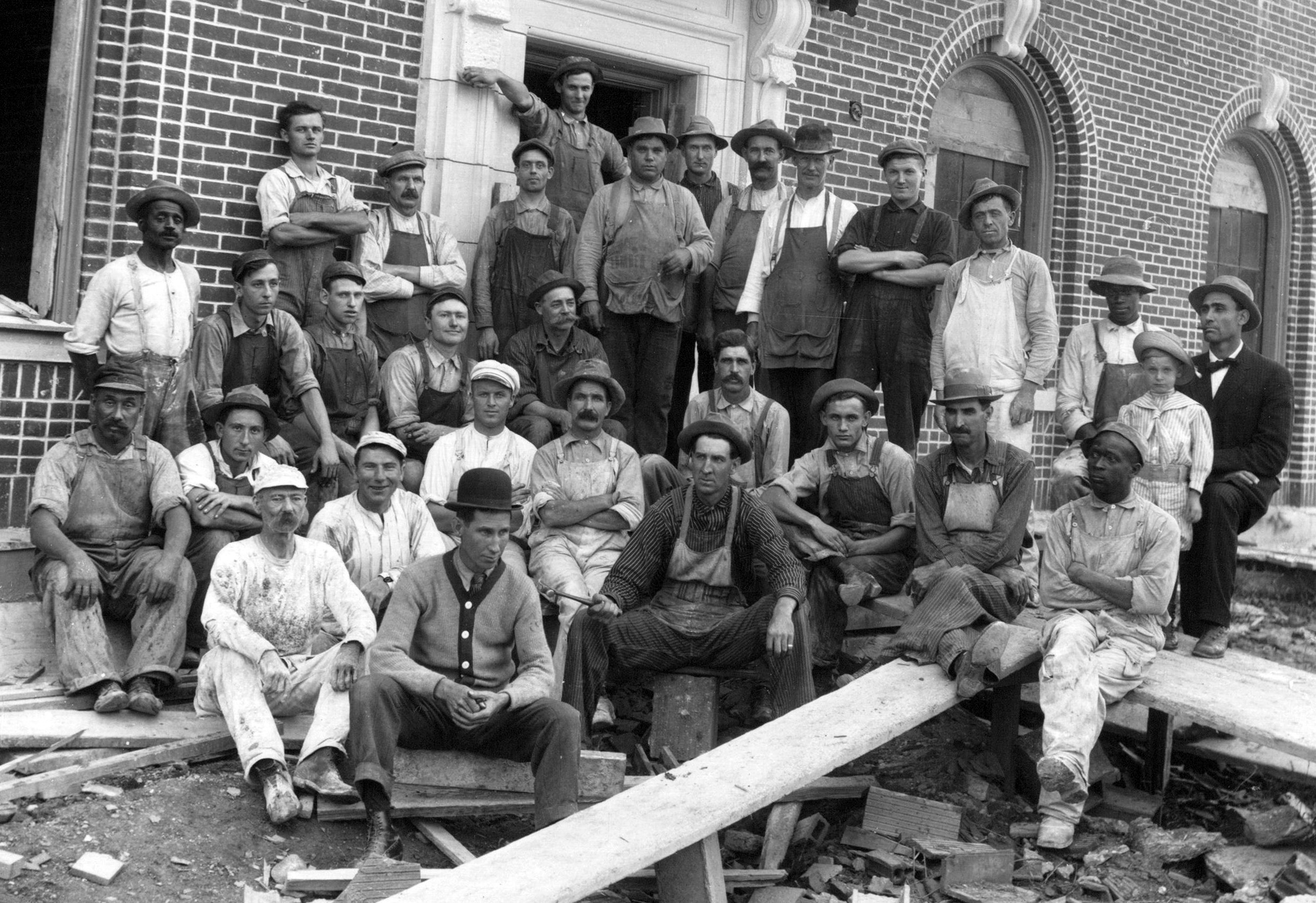
- Western College Buildings and Architecture. This sub-series documents buildings and architecture of Western College for Women. Includes photographs, maps, articles, and ephemera depicting campus structures, landscapes, and interiors. Materials cover major buildings, construction, use, and demolition, as well as aerial views and historic designation records, illustrating the development and physical evolution of the Western College campus over time.