Early Black Workers Western and Miami
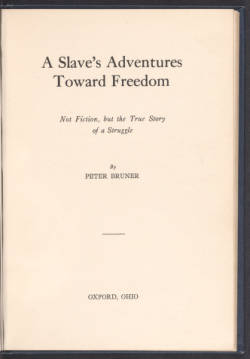
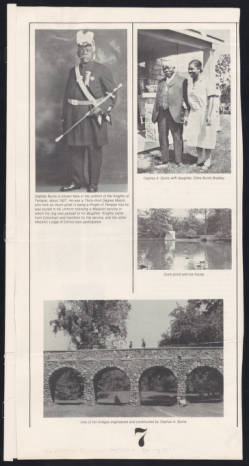
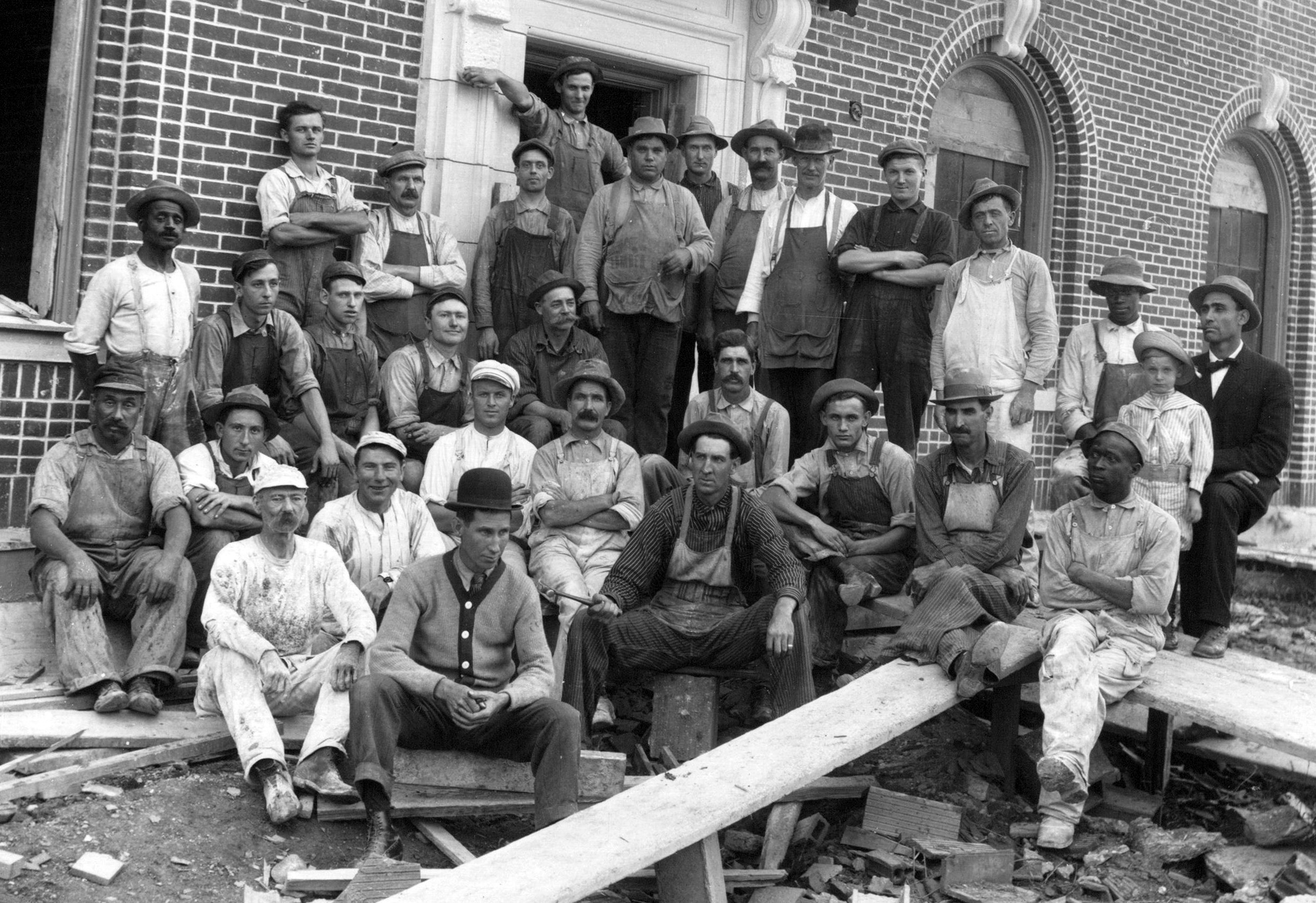
This exhibit explores Miami University's connection to Black labor in the Antebellum and Reconstruction Midwest (1815-1877) using the lived experiences of Miami’s early Black laborers. Composed of local archival sources, this exhibit uses evidence from the Jennie Elder Suel and Black Women of Oxford Collection, the Slavery and Abolition at Miami Research Collection, University financial records, and census records to unearth ties between a White institution and its Black workers. We trace the prominent Black families and individuals that were integral to the University’s early labor force. Using the fragmentary experiences of Black laborers such as Peter Bruner, Cephas Burns, "Aunt Mary," George Washington, Sarah Jones, and Peter Chaveons, our exhibit details a Black employee's lived experience.
Power imbalances between White administrators and Black employees were commonplace, and an examination of a Black perspective in such matters complicates the institution's meticulously crafted image. The types of labor Black employees were expected to perform include the maintenance of University-owned buildings, administrative work, domestic labor (i.e. cooking and cleaning), and community facing labor, both volunteered and paid, in the construction of Black churches and publicly accessible University facilities. The exhibition focuses on individual experiences to reshape the narrative of how Black labor at Miami University impacts Black lived experiences at the University today.