Generation 1: Out of Slavery

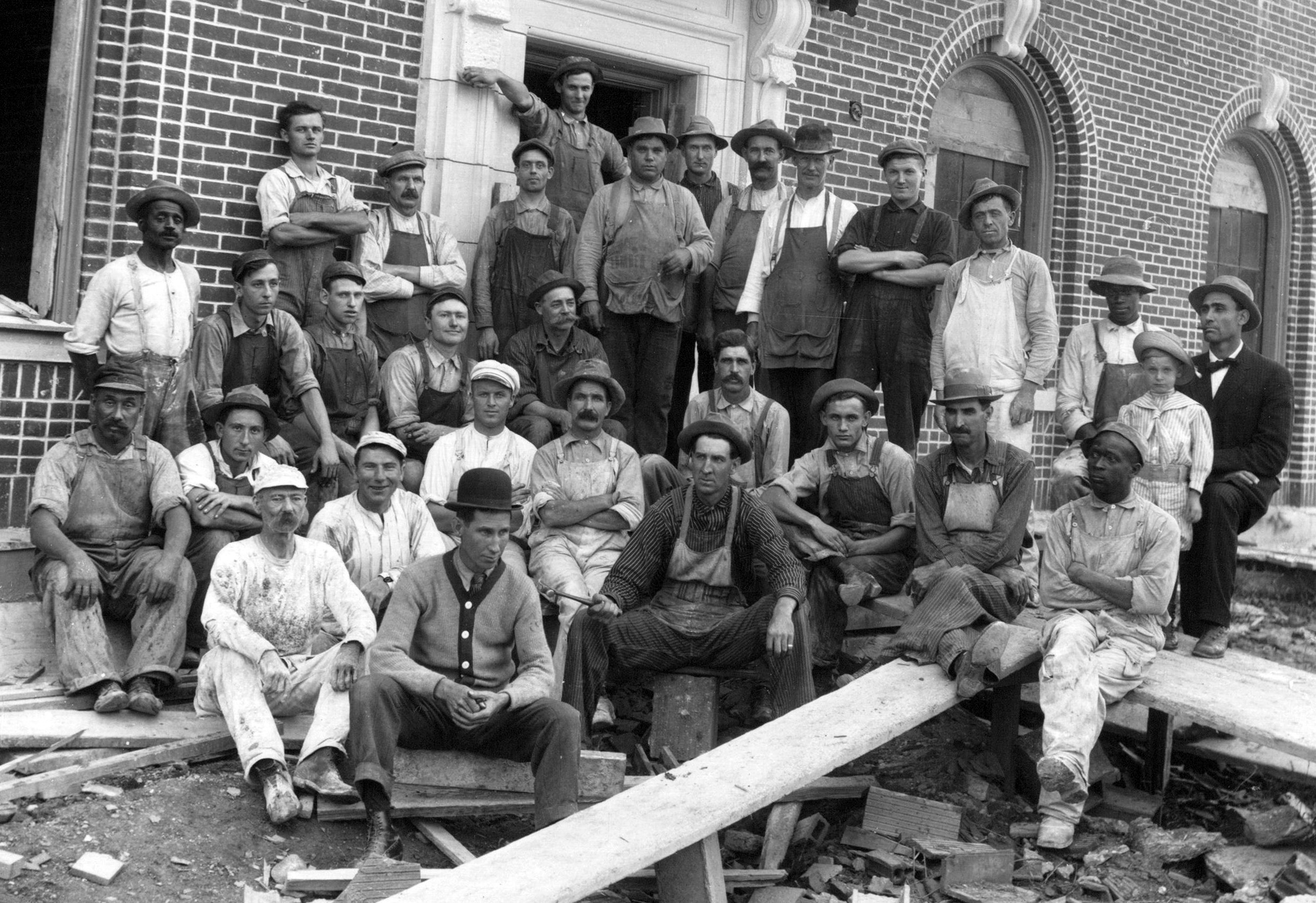
During the 1800s, many African-Americans in the south, both enslaved and free, migrated north in hope of starting a new life. Many of Oxford’s Black residents were part of this movement, including John Henry Stewart and Dawson Davis Drew. In 1850 and 1859, respectively, John and Dawson left Virginia with their freedom papers and came to Oxford, Ohio. The two married in 1862, establishing the beginning of a Black family in Oxford that would have generations of important connections in the community and to Miami University. Working to make room for Miami dormitories and buildings on Western College, John was one of many early Black laborers at Miami. 

Despite escaping southern slavery in moving north, Black freedom-seekers did not escape racism, nor was their freedom guaranteed. In “free” areas like Oxford, African-Americans still faced racial boundaries and various forms of unfreedom. Examples of this are notable throughout the Jennie Elder Suel Collection, including documents such as a bill of sale for an enslaved woman and girl.

Freedom certificate for John Henry Stuart, 14 October 1850

These documents mark the beginning of the history for the family that would eventually include Jennie Elder Suel in Oxford, OH. They point to one of the various ways that Black freedom seekers who migrated to Oxford in the antebellum period were able to do so. Dawson Davis Drew-Stewart is also the reason that we have access to the documents in the Jennie Elder Suel and Black Women in Oxford Collection via Miami University archives as she encouraged her granddaughter-in-law, Jennie Elder Suel, to donate their family archives to the institution. John Henry Stewart became one of Miami University’s earliest Black laborers after coming to Oxford. These two individuals also got married to one another in Oxford, starting a family that would have an important legacy in the Oxford and Miami communities for generations. These freedom certificates also contrast with another document in this collection, a bill of sale for a Black girl, pointing to the differences in African American life in the antebellum period regarding enslavement, freedom, and unfreedom.

< Previous page Next page >