Namesakes: Memory, Memorialization, and Buildings
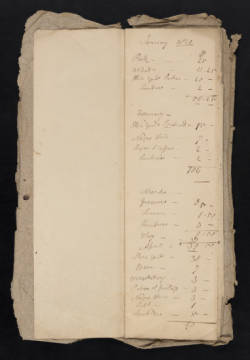
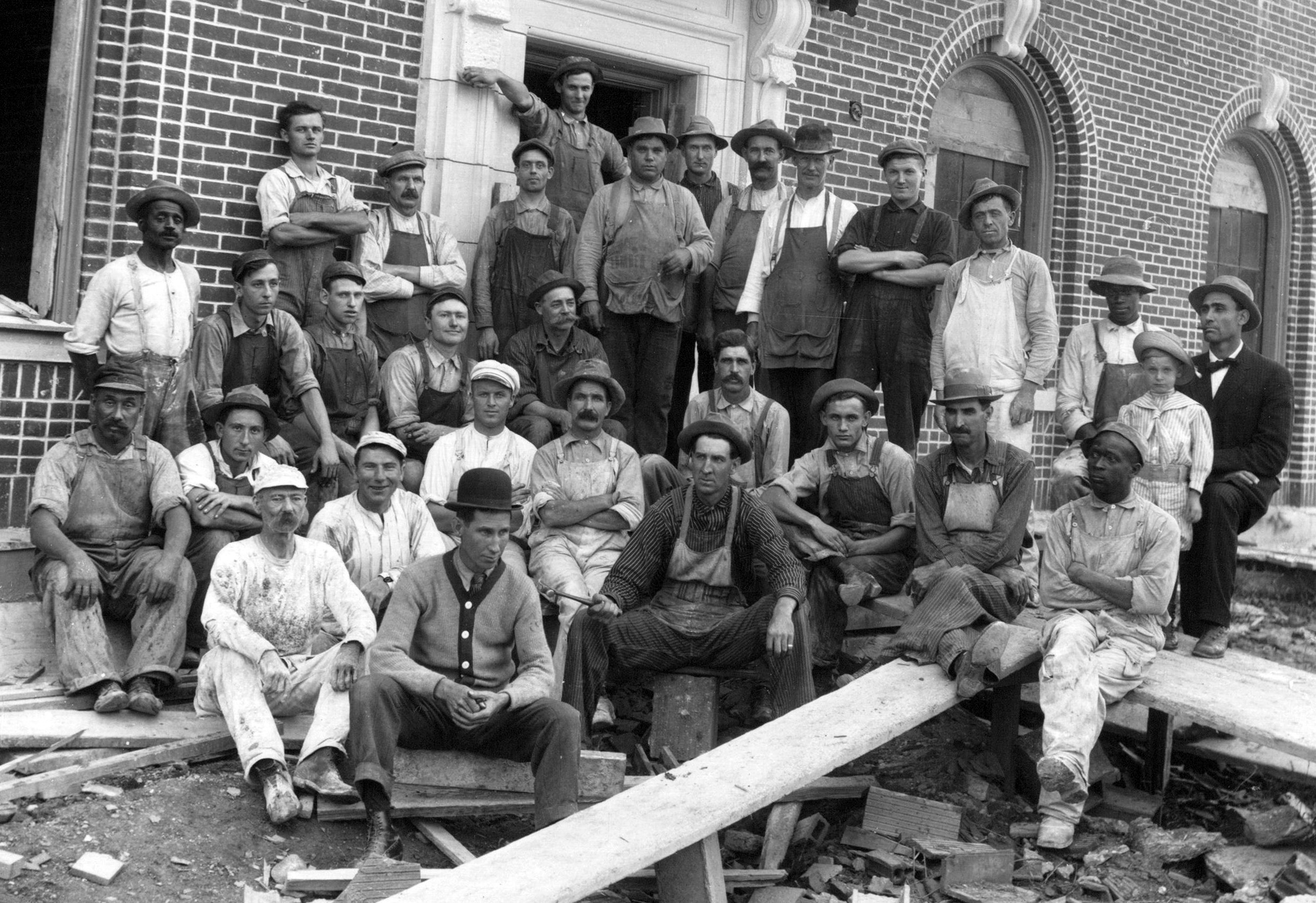
It is a time-honored tradition at American universities to name academic and residential spaces after influential figures with a connection to the institution. Miami University's campus buildings today memorialize university presidents, professors, benefactors, and famous alumni. Manuscripts in the Walter Havighurst Special Collections at Miami University and data from the U.S. Federal Census show that at least four of these namesakes have a connection to slavery. These building names create a glorifying narrative that celebrates career success but obscures the lives and contributions of Black Americans who labored for these individuals and helped to build the campus as we know it today. These memorializations are often hidden in plain sight, never dwelled on too long by students and faculty, and never questioned the ethical and moral obligations of permanently and publicly commemorating a person with a complicated past.
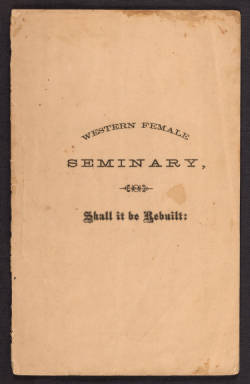
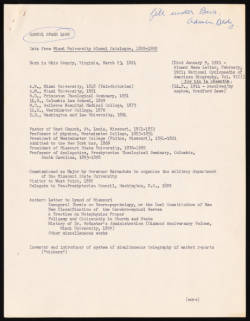
The scope of this exhibit includes Bishop Hall, named after Robert Hamilton Bishop, McGuffey Hall named after William Holmes McGuffey, Laws Hall named after Samuel Spahr Laws, and Peabody Hall named after Helen Peabody. These individuals are from both Miami University and Western Female Seminary (later the Western College for Women that merged with Miami in 1974). Furthermore, this exhibit will take the opportunity to uplift the contributions of African Americans whose labor has benefited the individuals they are connected to. This exhibit extends an opportunity to Miami University to begin reckoning with its past connections with slavery and its afterlives by questioning who we choose to memorialize.